When considering how to choose the right LED light for home, understanding your needs is crucial. LED lights come in various types, colors, and watts. Each option influences ambiance and function in your space. Knowing what fits your requirements can be overwhelming, but it’s essential for creating a comfortable environment.
Begin by assessing the areas in your home. Different rooms require different lighting. For instance, warm light is soothing for bedrooms while bright, cool light is better for kitchens and workspaces.
Moreover, look for energy-efficient options that save on electricity bills. The initial cost may be higher, but savings over time are significant. It’s also important to consider the longevity of LED lights. They last longer than traditional bulbs, but not all brands are created equal. Researching reliable brands ensures you make a well-informed decision. In this guide, we will explore practical tips and insights on how to choose the right LED light for home effectively.
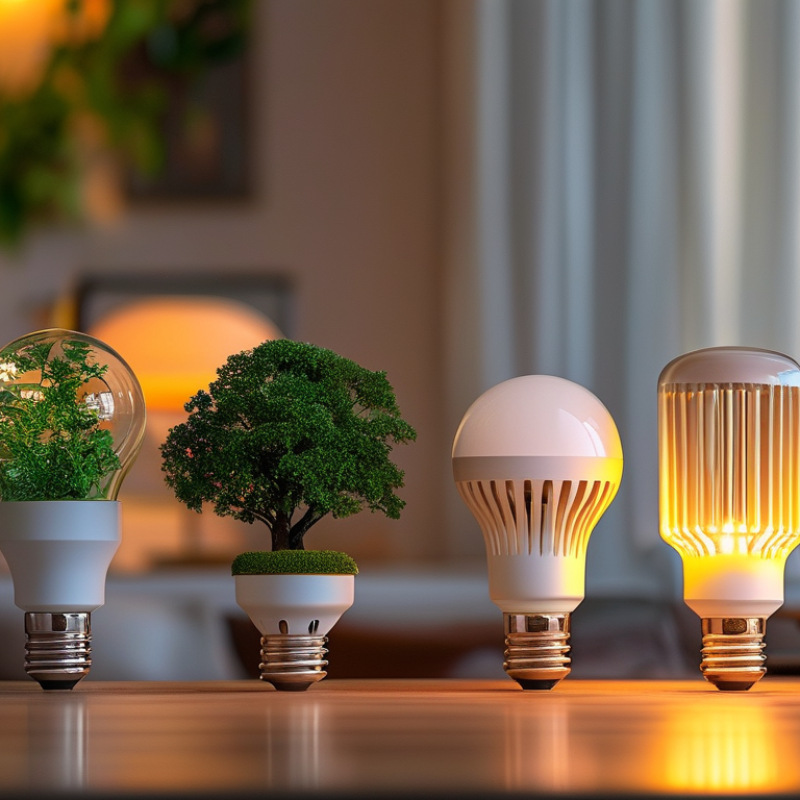
When selecting LED lights for home use, understanding the various types available is crucial. LED bulbs come in different shapes, sizes, and color temperatures. They can be broadly categorized into standard bulbs, accent lights, and smart LED options. Standard bulbs offer a white light that is versatile for general use. Accent lights, on the other hand, create mood and highlight specific areas, enhancing the overall aesthetic of a space.
According to the U.S. Department of Energy, LED lights can save up to 80% of energy compared to traditional incandescent bulbs. This makes them a cost-effective option over time. However, it’s essential to consider light quality. Not all LED lights produce the same light spectrum. Some emit a harsh, cold light, while others provide a warm glow reminiscent of incandescent bulbs. The latter often promotes a cozy atmosphere in living spaces.
Color temperature is also a key detail. Measured in Kelvin (K), lower values (around 2700K) denote warm light, perfect for bedrooms. Higher values (above 5000K) provide a cooler, daylight-like effect ideal for workspaces. Misunderstanding these ratings can lead to dissatisfaction. Choosing the wrong color temperature can make a room feel uninviting or overly sterile. Always consider the purpose of each room when making your selections.
Choosing the right LED light for your home involves understanding brightness and color temperature. Brightness, measured in lumens, indicates how much light a bulb emits. A standard LED bulb may produce around 800 lumens, suitable for general lighting in most rooms. However, living areas often require more light for comfort and visibility. Adjusting your choices based on room size and purpose can enhance functionality.
Color temperature, measured in Kelvin (K), significantly impacts your space's ambiance. A warm white light, around 2700K, creates a cozy atmosphere, ideal for living rooms and bedrooms. In contrast, cooler temperatures, around 5000K, resemble daylight and are better suited for task-oriented areas like kitchens. According to the U.S. Department of Energy, light color can influence mood and productivity.
Yet, these choices are not always straightforward. Personal preference plays a significant role. A bulb that feels warm to one person may seem overly yellow to another. Moreover, using dimmers can help regulate brightness levels but may not be compatible with all LED lights. Evaluating your unique space and experimenting with different types can lead to a more personalized lighting solution.
| Room Type | Recommended Brightness (Lumens) | Ideal Color Temperature (Kelvin) | Light Type | Common Uses |
|---|---|---|---|---|
| Living Room | 1,500 - 3,000 | 2700K - 3000K | Warm White LED | General lighting, ambiance |
| Kitchen | 3,000 - 6,000 | 3000K - 4000K | Cool White LED | Task lighting, food preparation |
| Bathroom | 1,000 - 2,500 | 3000K - 4000K | Bright White LED | Vanity lighting, general |
| Bedroom | 1,000 - 2,500 | 2700K - 3000K | Warm White LED | Ambient lighting, relaxation |
| Home Office | 3,000 - 5,000 | 4000K - 5000K | Daylight LED | Task lighting, studying |
Choosing the right LED light for your home can be a game-changer for energy efficiency. LED bulbs consume significantly less energy compared to traditional incandescent lighting. This means lower electricity bills and a reduced carbon footprint. Over time, the savings on your energy bills can offset the initial cost of purchasing LED fixtures.
Consider the lifespan of LEDs as well. Most last up to 25,000 hours or more. This is a substantial improvement over older options. However, not all LED lights are created equal. Some may have issues with color rendering or brightness. Researching user reviews can help ensure you’re making an informed choice.
Energy efficiency doesn't only mean lower bills, though. It also reflects in how your home feels. Warm, well-lit spaces can enhance your mood and productivity. Despite their benefits, some people may find LEDs harsh or unappealing. Experiment with different styles and shades to find a fit for your home. Your journey towards energy efficiency might require adjustments, and that’s perfectly fine.
Choosing the right LED fixtures and bulbs is crucial for enhancing your home’s style while ensuring efficiency. Research shows that lighting accounts for about 10-15% of household energy use. Selecting the correct LED can significantly reduce this percentage. For instance, a well-placed LED ceiling fixture can illuminate a room beautifully. But it must match your interior design to achieve the desired effect.
Different rooms demand different lighting styles. In the living room, warm-white bulbs enhance a cozy feel. Studies highlight that color temperature affects mood. Cooler temperatures are better for task-oriented spaces, like kitchens. The American Society of Interior Designers found that proper lighting improves focus by nearly 15%.
It's not just about aesthetics; functionality is key. Many homeowners overlook dimmable options that allow for flexibility. Improperly chosen fixtures can lead to shadows or harsh lighting, creating discomfort. Consider your space’s height and color scheme as well. Finding that balance can be tricky and may require several attempts. Don't be afraid to experiment with various styles before making a final choice.
This chart illustrates the distribution of different types of LED fixtures and bulbs preferred in various home styles based on a survey of homeowners.
Selecting the right LED lights for your home is essential for energy efficiency and aesthetic appeal. Proper installation and maintenance can enhance their lifespan and performance. Research indicates that LED lights can last up to 25,000 hours, much longer than traditional bulbs. However, poor installation can drastically reduce this longevity.
When installing LED lighting, consider the placement carefully. Ensure fixtures are installed away from heat sources. Excessive heat can shorten LED life by as much as 20%. A good tip is to use dimmers. They can extend the life of your LEDs and provide versatile lighting options. Additionally, it's crucial to check compatibility between LED bulbs and dimmers to avoid flickering or buzzing.
Regular maintenance is vital too. Dust and dirt can accumulate, clouding the light output. Clean fixtures periodically with a dry cloth to maintain brightness. In case of a failing bulb, replace it promptly. A single malfunctioning bulb can impact the performance of others in the same circuit. Monitoring light levels and temperature can help you identify when to replace bulbs. Artfully managing these details ensures that your home remains well-lit and energy-efficient.
: Brightness, measured in lumens, indicates how much light a bulb emits. Standard LED bulbs produce around 800 lumens.
Color temperature, measured in Kelvin, impacts the ambiance. Warm light (2700K) is cozy; cooler light (5000K) resembles daylight.
LEDs consume less energy, lowering electricity bills. They also reduce your carbon footprint, making them eco-friendly choices.
Most LED bulbs last up to 25,000 hours or more, significantly longer than traditional bulbs. Lifespan varies by product quality.
Dimmers can regulate brightness but are not compatible with every LED. Check compatibility to avoid issues.
Consider brightness, color temperature, and room purpose. Personal preference is crucial; what feels good varies by individual.
No, some LEDs have poor color rendering or brightness. Research reviews to make informed choices and avoid disappointment.
Well-lit spaces can enhance mood and productivity. Some find LEDs harsh; experiment to find your preferred lighting feel.
Yes, personal preference affects enjoyment. It's okay to feel unsure; adjustments can lead to a better fit for your space.
Experiment with different styles and shades. Finding the right light may require trial and error, which is completely normal.
When considering how to choose the right LED light for home, it’s essential to first understand the various types available, such as standard bulbs, downlights, and smart lighting options. Each type serves different purposes and fits various needs, making it crucial to evaluate which aligns best with your home environment.
Additionally, brightness and color temperature play significant roles in creating the desired ambiance, so assessing these factors will help tailor lighting to each room’s function. Finally, understanding energy efficiency and the cost-effectiveness of LED lights ensures long-term savings. Proper fixture selection, combined with maintenance tips, will enhance the overall aesthetic and functionality of your space, ultimately guiding you to make informed lighting choices for your home.

Tverse LED light