LED lights have become a staple in modern lighting solutions. However, many users frequently ask, “why is my LED light flickering?” This flickering can be frustrating and often unnerving. Understanding the root causes is essential for effective resolution.
Flickering often stems from issues like poor connections or incompatible dimmers. For instance, a loose bulb can cause the light to flicker intermittently. Similarly, using an LED bulb with a dimmer switch that isn’t designed for LEDs can result in erratic behavior.
These issues not only annoy homeowners but can also affect energy efficiency. Regular maintenance and checks can mitigate these problems effectively. It’s crucial to pay attention to signs of flickering and address them promptly. Taking action can enhance your lighting experience and ensure a reliable environment.
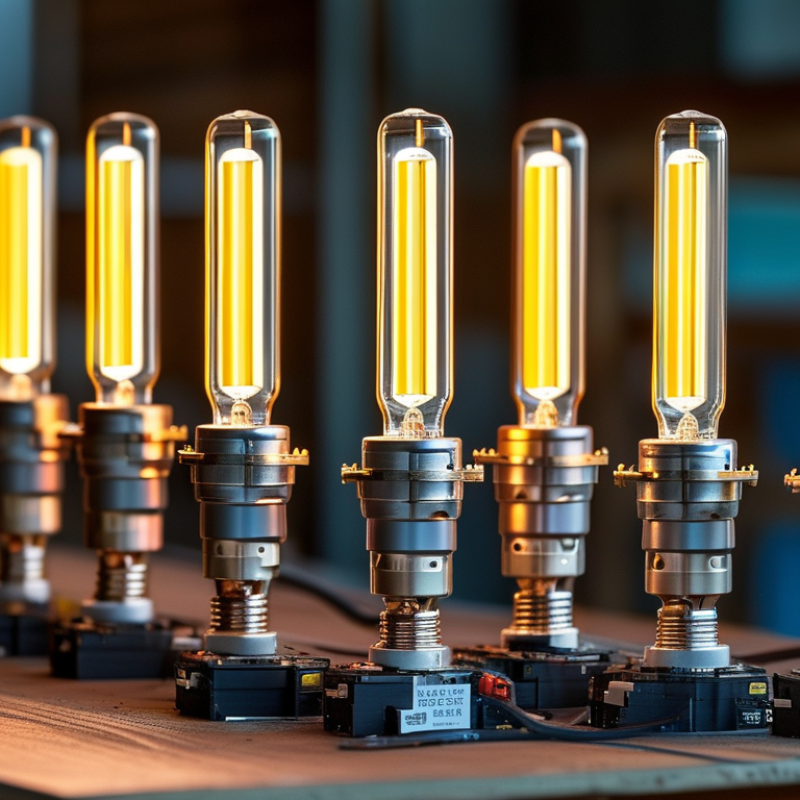
LED light flickering can be a frustrating issue. Understanding its common causes helps in finding a solution. One primary reason is incompatible dimmers. Many dimmer switches are not designed for LED lights. As the LED technology evolves, it’s crucial to use compatible dimmers to prevent flickering.
Another common cause is voltage fluctuations. LEDs require a constant voltage to function properly. Sudden changes in voltage can lead to flickering. According to a study by the National Electrical Manufacturers Association, about 30% of flickering issues result from electrical inconsistencies in the supply. This demonstrates how maintaining a stable electrical environment can improve LED performance.
Tips: Always verify that your dimmer switch works with LED bulbs. Check the manufacturer's guidelines. Regularly inspect your electrical wiring, as damaged or loose connections can lead to flickering lights. Consider using a voltage stabilizer if these issues persist.
Flickering LED lights often serve as a signal, indicating underlying issues. Observing the flickering pattern can provide insights. For instance, consistent flickering may suggest incompatible dimmers. Intermittent flickering could be related to a loose connection or poor-quality bulbs. Noticing whether the flicker occurs with specific fixtures can guide troubleshooting efforts.
To tackle flickering, start with thorough checks. Ensure bulbs are securely installed. Examine sockets for any corrosion or dirt, which can disrupt the connection. If using dimmers, verify they are designed for LED usage. The flickering might simply stem from outdated equipment struggling to manage LED technology.
Tips to remember: replace flickering bulbs with high-quality options. Avoid mixing different types of bulbs in the same circuit. Upgrade to compatible dimmers if necessary. Taking these steps reinforces reliable lighting while maintaining safety. Reflect on any changes in your electrical system that might have triggered the flickering. Understanding these details helps in addressing and preventing future issues effectively.
| Flickering Pattern | Possible Cause | Recommended Fix |
|---|---|---|
| Constant Flicker | Incompatible dimmer switch | Replace with a compatible LED dimmer |
| Flickering on Startup | Voltage fluctuations | Check wiring and connections; consider surge protectors |
| Intermittent Flicker | Loose bulb or socket | Ensure bulbs are secured properly in fixtures |
| Flicker with Different Loads | Overloaded circuit | Redistribute loads on circuits |
| Color Flicker | Driver malfunction | Replace LED driver |
Voltage fluctuations are a common issue affecting LED lighting performance. These fluctuations result from various factors, such as changes in electrical demand or nearby appliances. When voltage levels vary, it can lead to flickering lights or inconsistent brightness. This not only affects the ambiance but can also reduce the lifespan of the LED bulbs.
In cases of low voltage, the LEDs may struggle to operate efficiently. They can blink or dim unexpectedly, leading to frustration. On the flip side, high voltage can cause overheating, which may damage the LED components. Monitoring the voltage supply in your home can help identify these issues. Installing a quality surge protector may also mitigate the risk of fluctuations.
Some fluctuations are unavoidable, especially in high-demand areas. Regular testing of your electrical system can help catch these fluctuations early. It is also worth noting that not all LEDs are designed to handle significant voltage variances. Reflecting on these aspects can help you choose appropriate lighting solutions that better match your environment.
LED light flickering can be a frustrating experience. Several factors contribute to this issue, which can often be fixed with simple solutions. A study by the Lighting Research Center indicates that dimming switches can cause LED flickering due to incompatibility. Older dimmers may not work properly with newer LED technology, leading to visual disturbances.
To tackle the flickering problem, begin by checking the dimmer switch. If it’s incompatible, consider upgrading to an LED-compatible dimmer. Next, inspect the wiring. Loose connections may cause fluctuations in power. Secure all connections to ensure a stable current.
High-quality LED bulbs are also vital. A report by the U.S. Department of Energy showed that low-quality bulbs are more prone to flicker.
Another common issue comes from voltage fluctuations. Install a surge protector to stabilize voltage levels. This device can enhance the longevity of your LED lights. Sometimes, the LED bulb itself might be faulty.
Testing with a different bulb could reveal whether it’s the source of the problem. If flickering persists despite these efforts, consulting an electrician could provide insights into underlying electrical issues.
Persistent LED flickering can be more than just an annoyance. It may indicate deeper electrical problems. If this issue happens frequently, professional help is often necessary. A flickering light might suggest loose wiring or compatibility issues with your dimmer switches. Both scenarios can lead to potential safety hazards.
Seek a licensed electrician if your LED lights flicker constantly. They possess the expertise to diagnose complex electrical issues. An experienced professional will inspect wiring connections and check the circuit load. Ignoring these problems can lead to higher energy bills or fire risks. It's essential to prioritize safety over convenience when dealing with electrical systems.
Remember, not all flickering issues are simple fixes. Sometimes, it reflects broader electrical system failures. If you've replaced bulbs and still see flickering, don’t hesitate to call an expert. Transparency in addressing these problems is crucial. Avoid waiting for the flickering to worsen before taking action. Your home’s safety is paramount.
: LED light flickering is often caused by incompatible dimmers and voltage fluctuations.
Many dimmer switches are not made for LED bulbs, leading to flickering issues.
Yes, voltage fluctuations can cause flickering or inconsistent brightness, affecting performance.
About 30% of flickering issues arise from electrical inconsistencies in the supply.
Verify your dimmer compatibility and regularly check electrical wiring for damage.
Low voltage can cause LEDs to blink or dim; high voltage may cause overheating.
Yes, they can happen in areas with high electrical demand or nearby appliances.
A quality surge protector can help mitigate the risk of fluctuations.
Regular testing of your electrical system can help catch voltage issues early.
No, not all LEDs are designed for significant voltage variations.
LED light flickering can be a common concern for many homeowners, leading them to wonder, "why is my LED light flickering?" Understanding the root causes is essential for addressing the problem effectively. Common reasons for flickering include voltage fluctuations, compatibility issues with dimmers, and poor connections. Identifying the patterns of flickering can provide valuable clues regarding the underlying issue, whether it be a frequent or intermittent occurrence.
To resolve these flickering issues, a step-by-step guide can help troubleshoot the problem, encompassing checking wiring, ensuring proper voltages, and replacing incompatible devices. However, if the flickering persists despite these efforts, it may be necessary to seek professional help to avoid potential hazards associated with faulty electrical systems. Recognizing these factors can ensure the smooth operation of your LED lights and enhance overall lighting performance in your space.

Tverse LED light