In recent years, LED lights have become the go-to choice for many. They offer energy efficiency and longevity. However, a common question arises: why do LED lights change color temperature? This phenomenon can be puzzling for consumers seeking consistent lighting in their spaces. It’s essential to understand the factors influencing these changes.
Color temperature in LED lights is not as stable as one might expect. Variations can stem from different designs, materials, and settings. Temperature fluctuations can also impact the emitted light color. For example, lower ambient temperatures often lead to cooler light. These changes influence mood and functionality, which is crucial in interior design.
Understanding the science behind color temperature can enhance your lighting experience. The complexity of LED technology means it’s not always straightforward. As you explore your options, keep in mind the inconsistencies that may arise. A deeper understanding will empower you to make informed choices for your lighting needs.
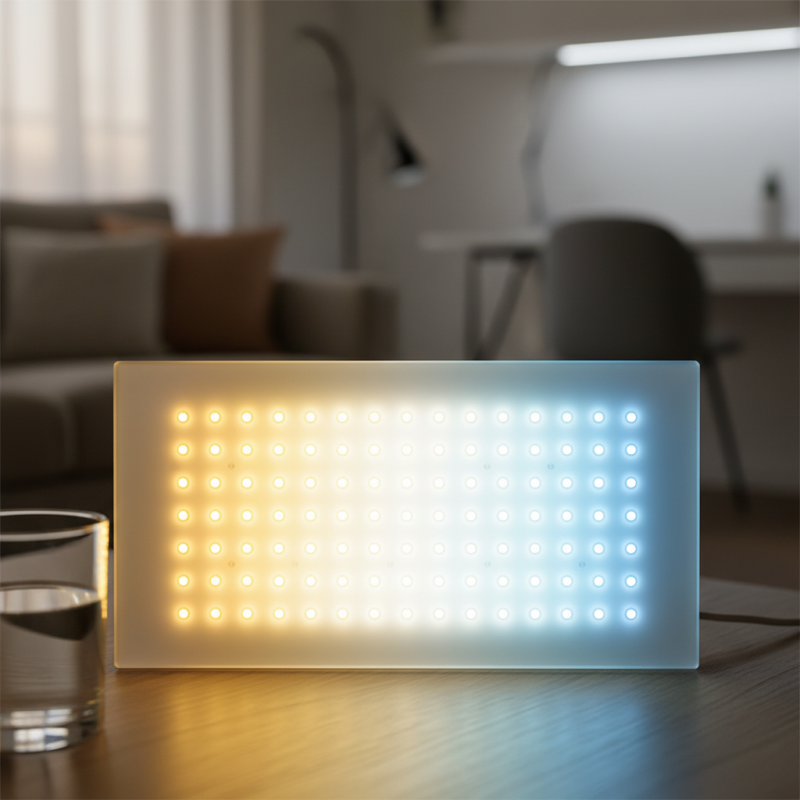
Top 10 Reasons Why LED Lights Change Color Temperature
LED lights are known for their ability to change color temperature. This quality often confuses users. Many factors influence this color shift, primarily due to the technology behind LEDs.
One major reason is the fluctuating quality of LED components. Even slight variations in materials can affect performance. Additionally, external temperatures can play a significant role. When LED lights heat up, their color temperature may change. The surrounding environment, such as walls and furniture color, also affects perception. Users might notice different hues depending on their decor.
The dimming process can change color as well. Some dimmers are not compatible with certain LED lights. This incompatibility might lead to an unexpected color shift. Moreover, LED technology is still evolving. Manufacturers continuously innovate, causing variations in color temperature across different products. It’s essential for users to be aware of these factors to make informed lighting decisions.
Understanding Color Temperature in LED Lighting: Definitions and Importance
Color temperature in LED lighting is crucial for creating the desired ambiance. It reflects how warm or cool a light appears. Measured in Kelvin (K), lower values indicate warm light, while higher values suggest cool light. Understanding this helps in choosing the right lighting for different spaces, such as homes, offices, or shops.
Light can influence mood. Warm light is comforting, ideal for relaxation spaces. Cool light boosts alertness, perfect for work areas. Knowing which temperature to use means you can enhance productivity and comfort simultaneously.
Tip: Experiment with different color temperatures in small areas before committing to a whole room.
Moreover, inconsistencies in color temperature can lead to confusion. Some LEDs shift color when dimmed, affecting the light’s effectiveness. Always check the specifications before purchasing. Understanding these differences can help prevent unwanted surprises.
Tip: Utilize color temperature charts to assist in making informed decisions tailored to your space.
The Role of LED Chip Materials in Color Temperature Variability
LED lights exhibit a range of colors due to the materials used in their chips. The primary factors include phosphor composition and semiconductor technology. For instance, a report from the U.S. Department of Energy reveals that different phosphor combinations can produce warmer or cooler light, impacting both ambiance and energy efficiency.
It’s critical to understand how LED chip materials alter color temperature. This variance can affect a space’s mood and functionality. Blue-rich LED lights may enhance alertness, while warmer colors induce relaxation. According to a study by the Lighting Research Center, human response to color temperature can influence productivity by 20%.
**Tip:** When selecting LED lights, consider the intended use. Do you need energizing light for workspaces or calming tones for relaxation areas?
Another factor is the quality of the semiconductor materials. Lower-quality materials may lead to undesirable color shifts. Inconsistent manufacturing practices can also affect performance over time, meaning not all LEDs are created equal.
**Tip:** Look for products that meet industry standards. Such products often use better materials that ensure stable color temperature. Choose wisely to avoid disappointments later on.
Impact of LED Driver Quality on Color Stability and Temperature Changes
The quality of the LED driver plays a crucial role in maintaining color stability. This factor affects how LED lights change color temperature over time. A high-quality driver ensures consistent power delivery, which means colors remain true and vibrant. Poor drivers can lead to flickering or color shifts, diminishing the user experience.
When choosing LED lights, consider the type of driver. Look for those offering constant current or voltage regulation. These drivers minimize fluctuations in power, stabilizing color output. A good driver enhances the lifespan of the LEDs and maintains their intended color temperature.
**Tip**: Regularly check your LED lights for color consistency. This can often indicate driver issues. If you notice changes, it might be time to evaluate the LED driver quality.
Not all drivers are created equal. Sometimes, a cheaper driver may seem like a good deal. But in the long run, the investment in a reliable driver pays off through stability and performance. Color temperature shifts can be frustrating, especially in critical applications like photography or design.
Top 10 Reasons Why LED Lights Change Color Temperature
| Reason |
Impact on Color Temperature |
Effect of LED Driver Quality |
Temperature Range (Kelvin) |
| Manufacturing Tolerances |
Variability in output |
High-quality drivers reduce variability |
2700K - 6500K |
| Aging of LEDs |
Shift towards blue |
Better drivers prolong color consistency |
3000K - 6000K |
| Temperature Fluctuations |
Increases color temperature |
Quality drivers maintain stability |
2500K - 5500K |
| Drive Current Variability |
Fluctuation in color temperature |
Stable current leads to consistent color |
2200K - 5000K |
| Electrical Noise |
Affects perceived color |
Premium drivers filter noise effectively |
2700K - 6000K |
| Thermal Management |
Degradation leading to color shift |
Good drivers help manage heat |
3000K - 7000K |
| Material Quality |
Influences spectral output |
Higher quality reduces color shift |
2400K - 6000K |
| Dimming Capability |
Can change color perception |
Quality drivers ensure smooth dimming |
2700K - 5000K |
| Voltage Fluctuations |
Affects LED performance |
Stable drivers mitigate issues |
2500K - 6500K |
| Environmental Conditions |
Humidity impacts LED lifespan |
Higher quality drivers better equipped |
3000K - 5500K |
Environmental Factors and Their Influence on LED Color Temperature Shift
LED lights are known for their durability and efficiency, but their color temperature can often shift due to various environmental factors. According to industry reports from the Lighting Research Center, changes in ambient temperature, humidity, and even air quality can influence how LED lights emit color. For instance, higher temperatures can cause LEDs to appear warmer, shifting from a cool white to a more yellow hue. This shift can affect mood and clarity in both residential and commercial applications.
Pollution levels also play a significant role. Dust and particulate matter may lessen the light's effectiveness and alter its perceived warmth. Studies indicate that air quality affects the lumens output and color rendering index (CRI) of LEDs, with increased pollutants leading to reduced color fidelity. Such findings emphasize the connection between our environment and lighting performance.
Tips: Keep LED fixtures clean to maintain their color temperature. Regular maintenance can help prevent shifts caused by environmental pollutants. Consider using LED lights designed for specific environments, as they are engineered to withstand different conditions. This thoughtful choice can lead to better lighting and overall satisfaction in your space.
Top 10 Environmental Factors Affecting LED Color Temperature Shift
This chart demonstrates the impact of various environmental factors on LED color temperature. Each factor is represented by its influence level, measured on a scale from 0 to 10, where 10 signifies the highest contribution to color temperature changes.
Human Perception and Color Rendering Index: Effects on LED Lighting Quality
LED lights are praised for their energy efficiency, but their color temperature variations often go unnoticed. Human perception plays a crucial role here. Research indicates that color temperature affects mood and productivity. For instance, higher temperatures, like 5000K, mimic daylight, while warmer tones around 3000K create a cozy atmosphere. This variance influences how spaces feel and how people interact within them.
The Color Rendering Index (CRI) is vital for assessing lighting quality. A CRI above 80 is generally considered good, while high-end systems aim for 90 or above. A report from the Lighting Research Center states good CRI can enhance color perception, making tasks more enjoyable and less straining. When choosing LED lights, consider their CRI alongside their color temperature.
Tips: Always test lighting in your intended space before commitment. This ensures it aligns with your specific needs. Furthermore, use dimmable options to adjust color temperatures as mood changes throughout the day. Keep in mind, not all LED lights render colors equally. Some may distort colors, prompting a reevaluation of your choices. Understanding these nuances can lead to a significantly better lighting experience.
FAQS
: Color temperature measures how warm or cool a light appears. It impacts ambiance significantly.
Color temperature is measured in Kelvin (K). Lower values indicate warm light, while higher values suggest coolness.
Warm light is comforting for relaxation. Cool light enhances alertness, which is ideal for work environments.
Consider the intended use. Energizing light is best for workspaces, while calming tones suit relaxation areas.
Different phosphor compositions and semiconductor technologies lead to various color outputs. This impacts ambiance and energy efficiency.
A high-quality LED driver ensures stable color temperature. Poor-quality drivers can cause flickering and color shifts.
Regularly check lights for color consistency. If changes occur, evaluate the quality of the LED driver.
Yes, cheaper drivers might save money initially, but may cause frustrating color shifts long-term. Quality is important.
Experiment with different color temperatures in small areas before committing to larger spaces. It helps ensure satisfaction.
Different temperatures can influence performance. The right lighting can enhance productivity by up to 20%.
Conclusion
LED lights have become increasingly popular, but a common question arises: why do LED lights change color temperature? This phenomenon can be attributed to several factors, including the materials used in LED chips, which influence color temperature variability. The quality of LED drivers also plays a crucial role in maintaining color stability; poor driver quality can lead to noticeable temperature changes.
Environmental elements, such as temperature and humidity, can further impact how LED lights emit color, causing shifts in their appearance. Additionally, human perception and the Color Rendering Index (CRI) affect how we experience LED lighting. Understanding these aspects is essential for anyone seeking to optimize lighting quality and ensure consistent color temperature in their spaces.

 Tverse LED light