The rise of smart LED lights in 2026 is more than just a trend. It’s a shift in consumer behavior. According to a recent industry report by MarketsandMarkets, the smart lighting market is projected to reach $46.9 billion by 2027. This remarkable growth raises the question: why are smart LED lights trending?
One factor is energy efficiency. Smart LED bulbs use up to 75% less energy than traditional incandescent bulbs. This statistic speaks volumes, especially as consumers become more eco-conscious. Additionally, smart LED lights offer customizable features. Users can adjust brightness, color, and even set schedules through apps. The convenience and control appeal to a tech-savvy demographic.
Yet, it’s essential to acknowledge that not all smart lighting systems are flawless. Some users face connectivity issues. Compatibility with various smart home ecosystems can also be a challenge. These reflections suggest that while the trend is significant, it is still evolving. As buyers navigate this landscape, understanding both the benefits and limitations of smart LED lights will be crucial.
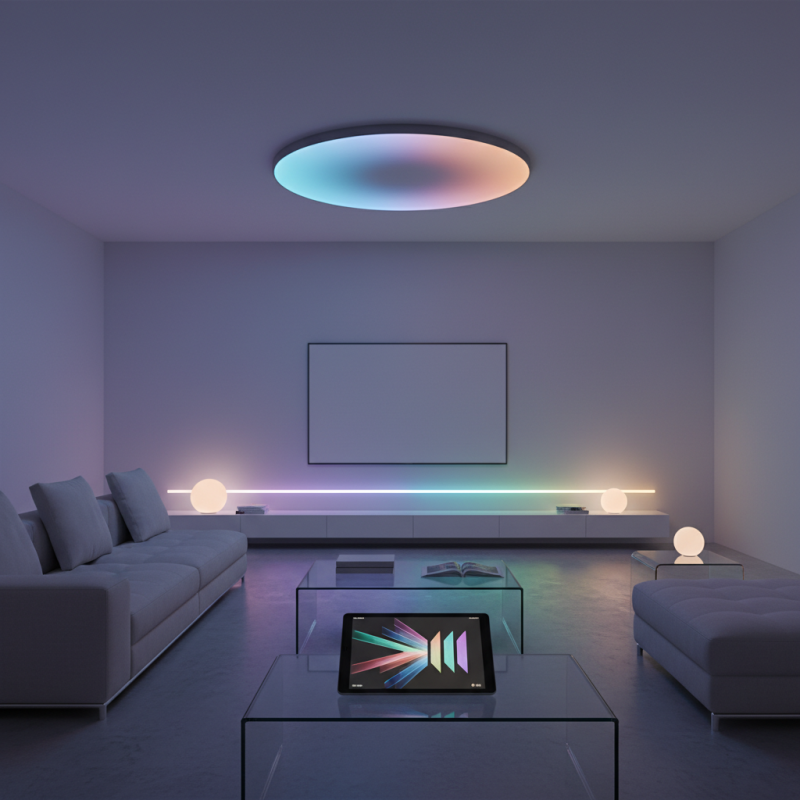
Smart LED lights are becoming a staple in modern homes. A recent industry report from Market Research Future highlights that the smart lighting market is projected to reach $100 billion by 2027. This growth aligns with the rising demand for energy-efficient solutions that enhance home automation. Smart LED lights not only save energy but also provide customizable lighting experiences to match different moods and activities.
In the realm of home lighting, smart LEDs offer advanced features like remote control, integration with smart speakers, and scheduling capabilities. According to a National Energy Efficiency report, homes using smart lighting can reduce energy consumption by up to 40%. This statistic prompts many homeowners to consider upgrading their lighting systems. However, potential buyers should be cautious of compatibility issues with existing smart home devices. It’s essential to research before investing, as not all systems work seamlessly together.
Moreover, user experience plays a vital role in the adoption of smart LED lights. Reports indicate that a significant number of users find setup processes confusing. This feedback reveals a gap between technology and usability. While smart LEDs promise innovative solutions, some designs lack intuitive interfaces. Consumers must weigh the benefits against potential deployment challenges. Understanding your unique needs can lead to better lighting choices.
: Smart LED lights are energy-efficient bulbs that can be controlled remotely. They use less power than traditional bulbs.
They convert more energy into visible light. Dimming and scheduling features also help reduce energy consumption.
Some users may struggle with apps or Wi-Fi. This learning curve can be frustrating but helps engage energy consumption.
Smart LED lights can last up to 25,000 hours. This longevity exceeds conventional bulbs significantly.
Yes, they often require a higher initial investment. However, the long-term savings can make it worthwhile.
They usually offer Wi-Fi, Bluetooth, or Zigbee. Each has its advantages and limitations regarding range and setup.
Not all smart LED lights work with every smart home system. Researching compatibility helps avoid future connectivity problems.
Wi-Fi offers a broad range, while Bluetooth is simpler but limited. Zigbee enhances connectivity but requires a special setup.
Consider how you will use the lights. Planning can prevent frustration later and enhance your smart home experience.
Engaging with reviews helps ease concerns about performance and compatibility. It encourages informed buying decisions.
Smart LED lights are trending in 2026 due to their innovative features and the increasing demand for energy-efficient solutions in modern homes. These lights not only offer customizable lighting options but also integrate seamlessly with smart home systems, allowing for remote control and automation. When purchasing smart LED lights, buyers should consider key features such as brightness, color temperature, and connectivity options to ensure they meet their specific needs.
Additionally, smart LED lights significantly enhance energy efficiency, leading to substantial savings on electricity bills. As more households recognize the benefits of these cutting-edge lighting solutions, the question of "why are smart LED lights trending" is easily answered by their blend of convenience, sustainability, and advanced functionalities. By making informed choices, consumers can enjoy the perfect ambiance while contributing to a greener planet.

 Tverse LED light