How to Troubleshoot LED Flood Lights for Optimal Performance?

Time:2026-06-13 Author:Madeline
0%

LED flood lights are popular for their brightness and energy efficiency. However, they can encounter problems like flickering, dim light, or complete failure. Understanding how to troubleshoot LED flood lights is essential for maintaining their optimal performance.

When issues arise, it’s important to identify the root causes. Are the lights flickering due to poor connections? Or is it a voltage issue? These questions guide the troubleshooting process. Sometimes, it may seem daunting. A little patience and attention to detail can lead to effective solutions.

Equipment and installation matter greatly. Proper setup is crucial for long-lasting performance. Failing to check connections may lead to frequent malfunctions. If the lights still malfunction, it might be time for a replacement. A hands-on approach can boost confidence in resolving issues. Understanding these nuances fosters a reliable lighting experience in various settings.
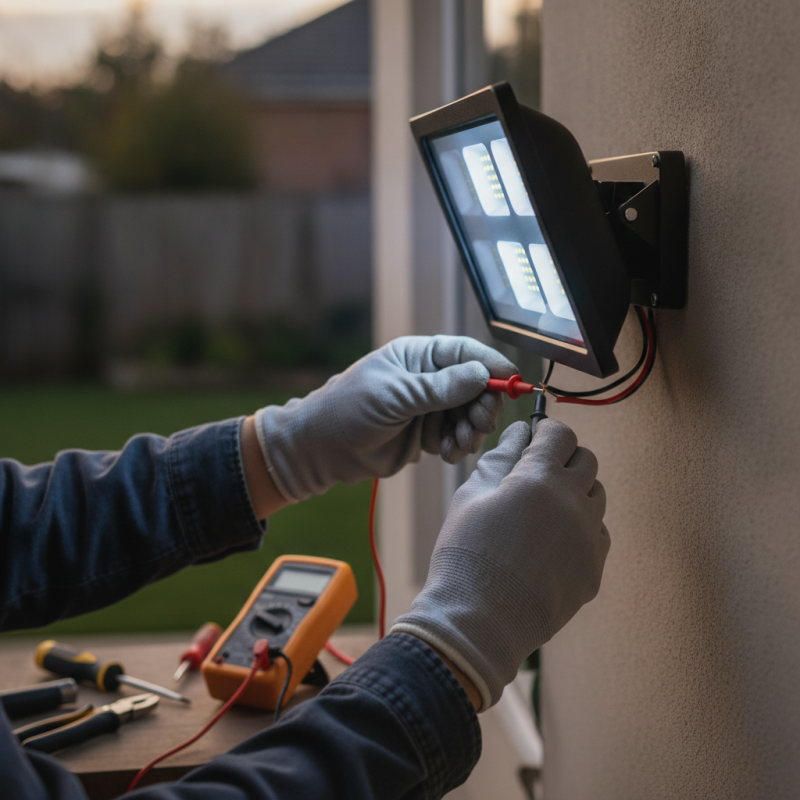
How to Troubleshoot LED Flood Lights for Optimal Performance?

Common Issues with LED Flood Lights and Their Solutions

LED flood lights are efficient, but they can face common issues. One frequent problem is flickering. This may occur due to loose connections or fluctuating power supply. Check all wiring. Ensure that connections are tight and secure. Sometimes, replacing the bulb can solve the issue quickly.

Another concern is dim lighting. This could be due to dust accumulation or a defective driver. Regularly clean the lenses to maintain brightness. If dimming persists, consider testing the LED driver. A malfunctioning driver can lead to insufficient power delivery, affecting light output significantly.

Overheating is also a common issue. Make sure the flood light has adequate ventilation. If it’s enclosed or surrounded by heat-retaining materials, performance may drop. Assess the surrounding environment and relocate if necessary. This will help in extending the lifespan of the lights.

Understanding the Role of Heat Dissipation in LED Performance

Heat dissipation plays a crucial role in the performance of LED flood lights. Excessive heat can lead to reduced efficiency and lifespan. According to the Department of Energy, proper thermal management can increase the lifespan of LED products by 25% or more. Therefore, understanding how heat affects LEDs is vital for optimal lighting solutions.

Good design incorporates features like heat sinks or ventilation systems. These components help channel heat away from the LEDs, preventing thermal runaway. Over time, heat buildup can damage the diode and impact light output. Reports show that up to 30% of LED failures stem from inadequate cooling solutions. It’s essential to monitor temperatures regularly in outdoor settings, where environmental factors can exacerbate heat retention.

Some installations may ignore the significance of heat dissipation. An improperly installed flood light can trap heat and shorten its effective life. Engineers should assess their designs for heat management, which is often overlooked in the rush to meet light output requirements. Identifying flaws in heat management is crucial for enhancing durability and efficiency. Without addressing these issues, users may face frequent replacements and subpar performance from their LED systems.

Optimizing Power Supply for Maximum LED Flood Light Efficiency

When optimizing power supply for LED flood lights, it's crucial to understand the specific power requirements of these fixtures. According to the Department of Energy, improper voltage can lead to inefficiency and a premature failure rate. LED flood lights typically operate best at a consistent voltage level, often around 120V or 277V. It’s essential to ensure that your power supply falls within this range to maximize performance and lifespan.

A common issue involves under or over-voltage conditions. For example, power supply fluctuations can decrease light output by about 20% in some cases. This can lead to inadequate illumination for outdoor spaces. Selecting a power supply designed for high efficiency can mitigate these risks. Look for supplies that offer a power factor above 0.9. This metric signifies efficient energy use, translating into lower electricity bills and a reduced environmental impact.

Monitoring the thermal performance of your power supply is another critical aspect. Excess heat can damage the LED components, decreasing efficiency. The ideal operating temperature for many LED flood lights is typically below 85°C. Regularly check the power supply's temperature during operation and adjust if necessary to maintain optimal conditions. This proactive approach ensures that your lighting system remains reliable and effective.

Routine Maintenance Tips for Extended LED Flood Light Lifespan

Maintaining LED flood lights is key to ensuring their long life and optimal performance. Regular inspections are crucial. Check for any physical damage, such as cracks or corrosion, which can lead to inefficiency. Dust, dirt, and debris can accumulate on the lens, reducing brightness. Wipe down the fixtures every few months to keep them clean.

Another important aspect of maintenance is ensuring proper electrical connections. Loose wires can cause flickering or intermittent power. Inspect cables periodically for wear or fraying. If you notice any issues, consider tightening connections or replacing damaged cables. Also, pay attention to the light's operating environment. Extreme temperatures or moisture can affect functionality, so choose installation sites carefully.

Reflect on your lighting needs as well. Do the flood lights meet your requirements? Sometimes repositioning them can enhance illumination. Consider energy consumption too. Over time, you may find that certain settings are less efficient. Adjusting the duration of operation can save energy and extend the life of your lights. Regular reflection on these aspects can help you maximize the benefits of your LED flood lights.

LED Flood Light Troubleshooting Data

Testing and Measuring Light Output for Effective Brightness Assessment

When assessing the brightness of LED flood lights, light output measurement is key. Accurate testing helps ensure that fixtures meet the intended specifications. According to the U.S. Department of Energy, LED lighting can deliver significant energy savings and enhanced performance. However, not all units perform equally. Variability in lumen output is common and can be influenced by factors like temperature and installation location.

To properly test light output, a photometer or a lux meter should be used. These tools can measure illumination levels in lux or foot-candles. This data allows for effective brightness assessment. The Illuminating Engineering Society recommends an illumination level of at least 20 to 50 foot-candles for task lighting. In practical settings, achieving these levels requires precise adjustments, often revealing discrepancies between expected and actual performance.

Reflection on test results can lead to valuable insights. If measurements fall short, reviewing installation practices might be necessary. Poor positioning can diminish coverage. Moreover, regular calibration of measurement devices is crucial to maintain accuracy. Tracking the output over time helps identify potential degradation, which can happen in the realm of LED technology. Understanding these aspects enhances the overall functionality of flood lights, ensuring they meet the intended lighting design criteria.

FAQS

: What causes LED flood lights to flicker?

: Flickering may arise from loose connections or fluctuating power supply. Check wiring and secure all connections.

How can I fix dim lighting in LED flood lights?

Dim lighting can be due to dust or a faulty driver. Regularly clean lenses and test the driver if needed.

What should I do if my LED flood light overheats?

Ensure proper ventilation around the light. Relocate it if surrounded by heat-retaining materials to improve performance.

What power supply voltage do LED flood lights require?

LED flood lights usually operate best around 120V or 277V. Ensure your supply matches this for optimal performance.

What happens if the power supply voltage is incorrect?

Under or over-voltage can reduce light output by up to 20%. This affects illumination in outdoor areas significantly.

How can I monitor the thermal performance of my power supply?

Regularly check the power supply's temperature. It should stay below 85°C to protect LED components and maintain efficiency.

Conclusion

In "How to Troubleshoot LED Flood Lights for Optimal Performance," the article delves into common issues faced with LED flood lights and provides practical solutions. It emphasizes the significance of heat dissipation in maintaining optimal LED performance, as excessive heat can negatively impact efficiency and lifespan. Additionally, the article discusses how to optimize the power supply to ensure maximum efficiency, which is crucial for the desired brightness and energy savings.

Furthermore, routine maintenance tips are offered to help extend the lifespan of LED flood lights, including regular cleaning and inspection. The article also highlights the importance of testing and measuring light output for effective brightness assessment, ensuring that users can achieve the best lighting conditions. This comprehensive guide serves as a valuable resource for anyone looking to understand how to troubleshoot LED flood lights effectively.

Madeline

Madeline

Madeline is a dedicated marketing professional with a wealth of expertise in our company's core offerings. With a keen understanding of the industry, she brings a unique perspective to her role, consistently delivering high-quality content that highlights the superior aspects of our products. As......