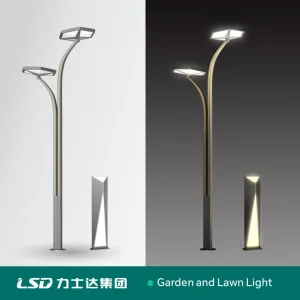
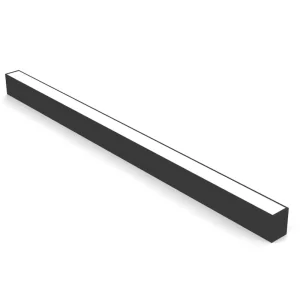
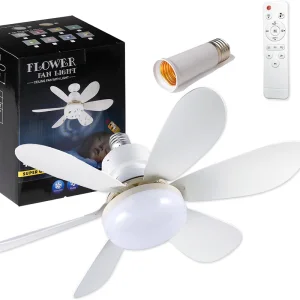
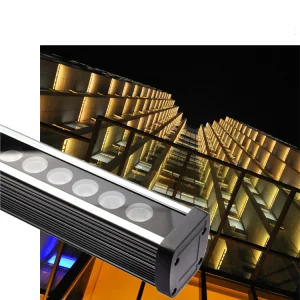
Direct sourcing options featuring cutting-edge LED technologies for professional, outdoor, and specialty deployments.
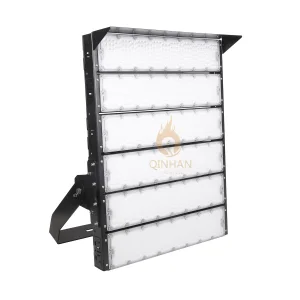
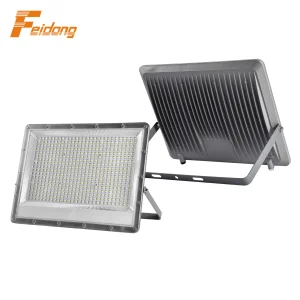
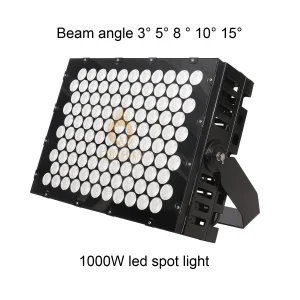
Analyzing the photobiological and commercial transitions reshaping large-scale protected cultivation globally.
The horticultural sector is experiencing an unprecedented technical evolution. Facility operators are rapidly transitioning from legacy High-Pressure Sodium (HPS) installations to state-of-the-art LED Grow Light Systems. Unlike traditional gas-discharge lamps, modern LED systems offer tailored spectra that target specific plant photoreceptors (phytochromes, cryptochromes, and phototropins), maximizing energy delivery while minimizing thermal waste. By focusing light outputs on the Photosynthetically Active Radiation (PAR) spectrum (400–700 nm) and the expanded ePAR spectrum (400–750 nm), modern LED systems provide significant performance gains.
For commercial growers, this transition is driven by two main factors: Photosynthetic Photon Efficacy (PPE) and operational longevity. Standard horticultural fixtures now exceed 2.7 to 3.2 μmol/J, cutting energy consumption by over 40% compared to equivalent 1000W double-ended HPS setups. Additionally, the lack of thermal radiation in the forward light path allows operators to bring lighting fixtures closer to the crop canopy in vertical farms. This close placement supports multi-tier cropping systems that maximize yield per unit of area.
Reduces system electrical loads by 40% to 55%. This lowers overall operational costs and qualifies operators for municipal energy rebate programs.
Offers targeted wavelength combinations (660nm Deep Red, 730nm Far-Red, and UVA) to control plant height, flowering cycles, and secondary metabolites.
Heavy-duty aluminum heat sinks maintain junction temperatures below 80°C. This limits radiant heat and extends the lifespan of the diodes.
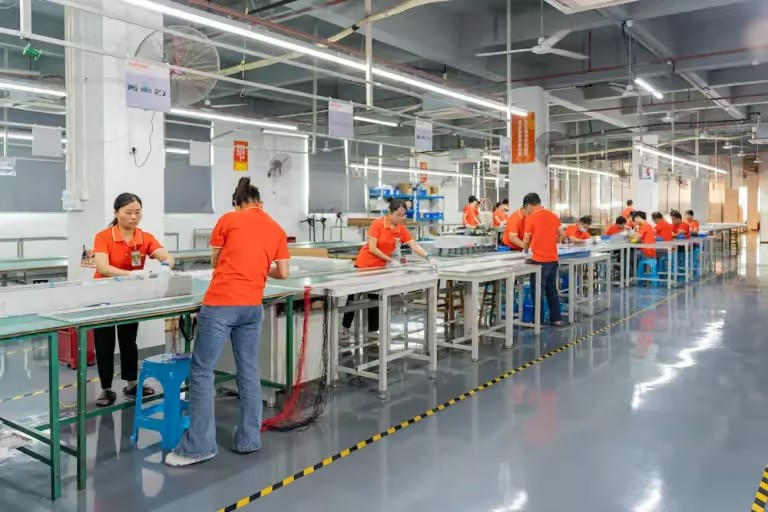
China produces over 80% of the world's horticultural lighting fixtures. This dominant position is built on deep supply chain integration. The primary manufacturing clusters, located in Zhejiang (including Hangzhou) and Guangdong (Shenzhen/Guzhen), contain all stages of production within a two-hour radius. Raw material processing, semiconductor packaging, power driver manufacturing, and assembly facilities work closely together to streamline the production process.
This proximity reduces lead times for complex, custom designs. While a Western lighting brand might take six months to engineer, test, and ship a custom-spectrum fixture, Chinese manufacturers can often deliver a working prototype in weeks. This speed is supported by ready access to local aluminum extrusion providers (for thermal management), PCB printing services, and specialized optical lens suppliers.
Furthermore, China's bulk component purchasing lowers production costs. Leading driver manufacturers like MeanWell, Inventronics, and Sosen, alongside international diode suppliers like Samsung and Osram, maintain large hub warehouses in these industrial regions. This localized ecosystem gives Chinese factory operators access to top-tier components at lower costs, allowing them to pass savings on to global buyers.
| Component Group | Industry Standard (Premium) | Supply Chain Advantage (China Hubs) | Impact on Performance |
|---|---|---|---|
| LED Diodes | Samsung LM301H / Osram Oslon SSL | High-volume direct allocation, low unit costs | Enables >3.0 μmol/J fixture-level efficacy and extends color stability |
| Power Supplies | Inventronics / MeanWell / Sosen Drivers | Direct engineering support, short delivery cycles | Guarantees 0-10V/DALI/RJ14 dimming and offers >95% power factor |
| Thermal Solutions | 6063-T5 Aircraft-Grade Aluminum Heat Sinks | Local custom die casting and extrusion | Keeps diode operating temperatures low, reducing lumen depreciation |
| Optical Lenses | High-transmittance Borosilicate Glass / PC Lenses | Precision molding and fast optical adjustments | Tailors light spread (60°/90°/120°) for even canopy coverage |
When evaluating manufacturers, commercial buyers must look beyond basic wattage ratings. Successful commercial installations require precise control over three primary metrics: PPFD (Photosynthetic Photon Flux Density) distribution, thermal dissipation capacity, and ingress protection (IP). A high-wattage lamp with poor thermal management will degrade quickly in warm, humid greenhouse environments.
Grow lights operate in challenging environments with high humidity, chemical sprays, and long runtimes. Reliable performance depends on robust build quality:
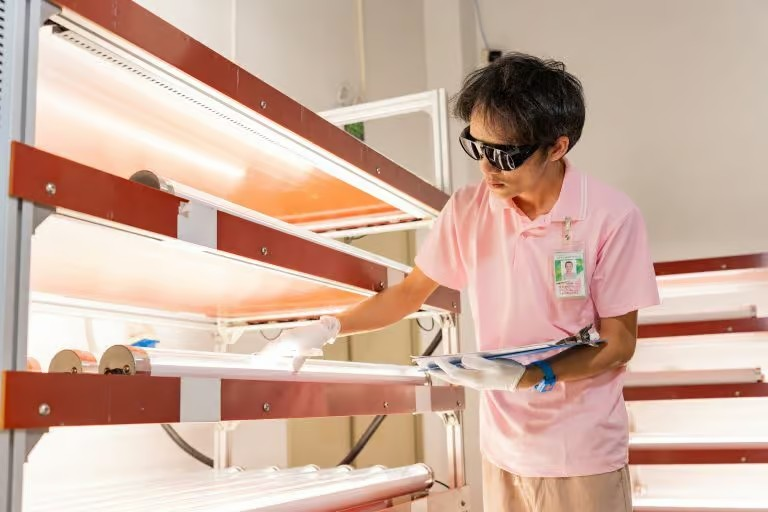
Specifies the total light output in micromoles per second (μmol/s). It is verified via integrating sphere and goniophotometer testing reports.
Requires passive, finned aluminum designs with a thermal conductivity rating exceeding 2.0 W/m·K. This eliminates the failure risks associated with active cooling fans.
For greenhouse and vertical farm installations, look for IP65 or IP66 ratings to protect components from moisture and dust.
Importing horticultural lighting equipment requires strict adherence to regional electrical safety and performance standards. To qualify for utility rebate programs—which can cover up to 50% of fixture costs in North America—equipment must carry specific local certifications.
In the United States and Canada, UL 8800 (Standard for Horticultural Lighting Equipment) and DLC (DesignLights Consortium) Horticultural QPL listing are essential. UL 8800 establishes requirements for photobiological safety, UV exposure limits for plastics, and ingress protection against high-humidity conditions. In the European Union, fixtures must carry the CE mark, comply with the RoHS Directive, and pass EN 62471 photobiological testing to verify user safety during operation.
Leading export factories also provide comprehensive localized support, including local warehousing for replacement parts, quick-response engineering support, and warranty processing within target markets. This localization reduces operational downtime for commercial growers.
For commercial lighting designs, light spectra and physical form factors must be tailored to the specific growing environment:
These environments rely on supplemental lighting. Fixtures require slim profiles to minimize shading under natural sunlight, alongside broad-spectrum white and deep red light to support year-round output.
These setups use multi-layer racks with sole-source lighting. Space-saving linear fixtures with wide beam angles (120°) provide even canopy coverage at short distances without creating hot spots.
Requires multi-channel dimming systems. Independent control of red, blue, and far-red spectrum channels allows growers to adjust lighting recipes for different growth phases.
A trusted industrial partner delivering advanced R&D, quality manufacturing, and custom LED solutions globally.
Hangzhou Tverse LED Light Co., Ltd. is a manufacturer and supplier of advanced LED lighting solutions, specializing in LED Tubular, Panel, and Floor Standing Lights. With a commitment to innovation, energy efficiency, and high-quality production, Tverse LED provides lighting solutions that meet the needs of residential, commercial, and industrial applications.
Our product portfolio includes LED tubular lights for offices and homes, LED panel lights for professional and corporate spaces, and floor-standing LED lights suitable for showrooms, exhibitions, and modern architectural projects. Additionally, we offer smart and energy-efficient LED solutions, incorporating dimming, color temperature adjustment, and IoT-enabled smart controls for modern smart homes and workplaces.
Backed by an R&D team and modern manufacturing facilities, Hangzhou Tverse LED Light Co., Ltd. maintains strict quality control and product performance. Our focus on durability, high lumen output, and low energy consumption helps clients implement sustainable, cost-effective lighting solutions.
Committed to customer satisfaction, we provide services including design consultation, installation guidance, and after-sales support. Serving both domestic and international markets, Tverse LED has built a reputation for reliability, helping businesses and homeowners create bright, safe, and modern environments.
Expert answers addressing the key technical, financial, and logistical questions of B2B procurement managers.
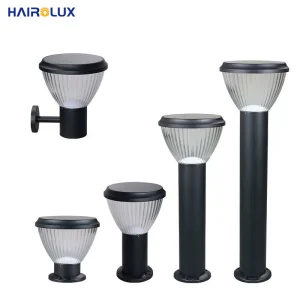
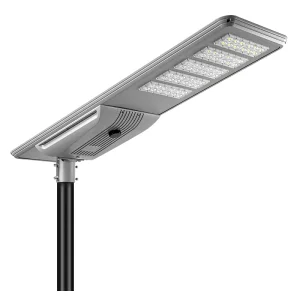
A selection of high-efficiency architectural, industrial, and solar-powered lighting options for commercial projects.
 Tverse LED light